For body corporate buildings and industrial facilities, maintaining the integrity of structural components and electrical systems is crucial for tenant safety and operational efficiency. Thermal scanning for insurance compliance with CIRTA allows property managers and facility operators to detect potential issues such as moisture intrusion, insulation deficiencies, and electrical faults early on. By conducting regular thermal inspections, buildings and facilities can optimize energy usage, reduce maintenance costs, and ensure compliance with safety standards. Choosing CIRTA guarantees thorough assessments and detailed reports that provide actionable insights to mitigate risks and enhance building performance. Thermal scanning with CIRTA is a proactive approach that protects property investments, supports sustainable building practices, and ensures a safe and comfortable environment for occupants, making it an essential decision for long-term asset management and regulatory compliance.
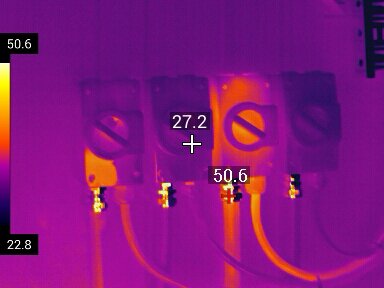
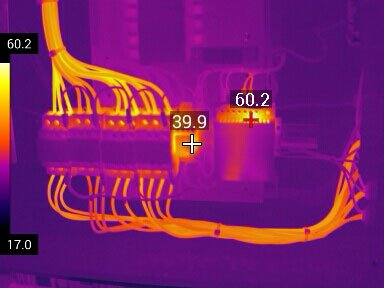
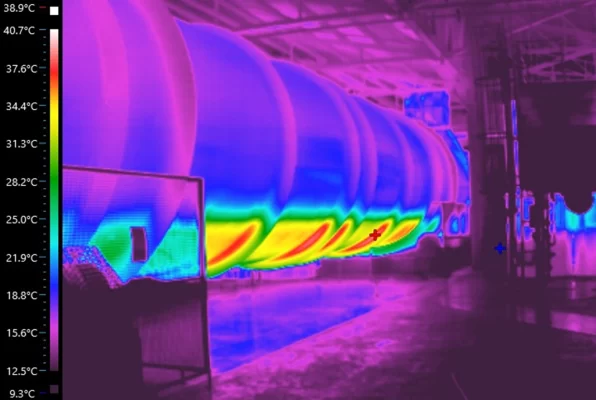
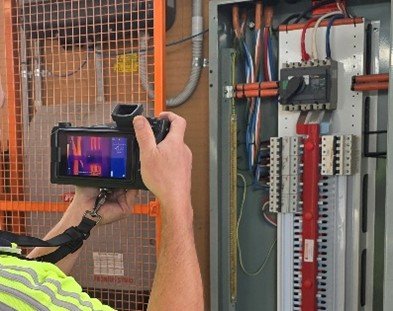
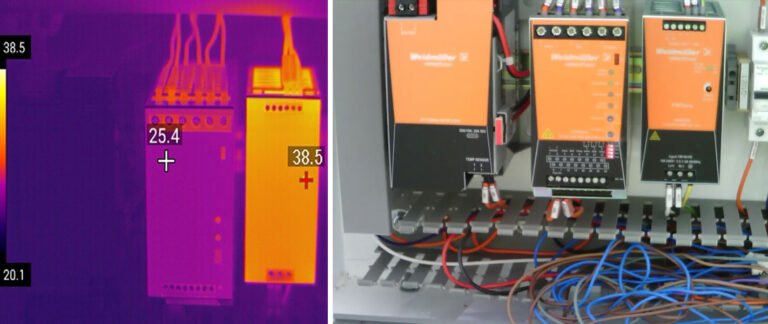
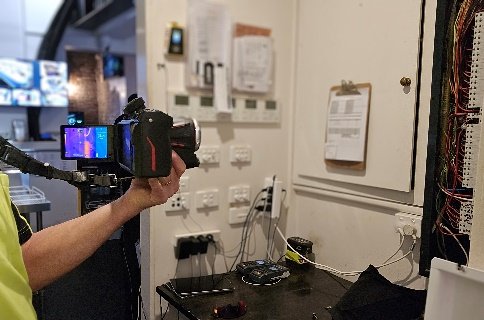
At CIRTA, we understand that maintaining the integrity of your factory and industrial equipment is crucial for operational efficiency and safety. Our thermal imaging services provide a non-invasive method to identify potential issues before they escalate into significant problems. By utilizing advanced thermal scanning technology, we can detect hidden faults within your critical infrastructure and electrical supplies, helping to prevent catastrophic failures that could lead to costly equipment damage, operational downtime, or, in severe cases, serious injuries.
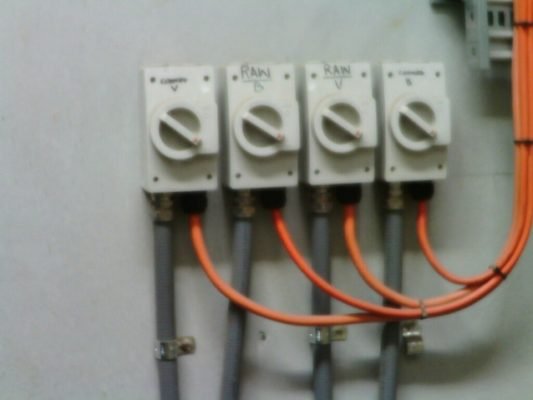
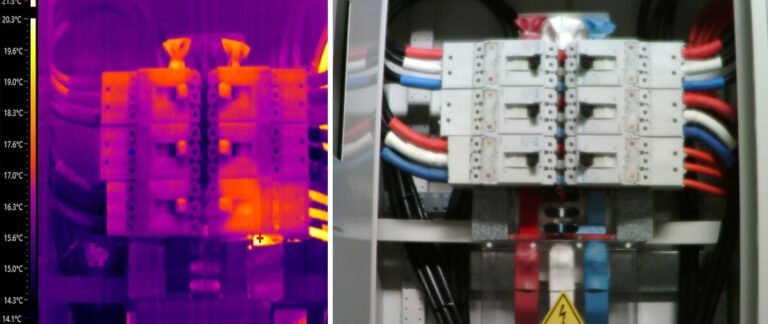
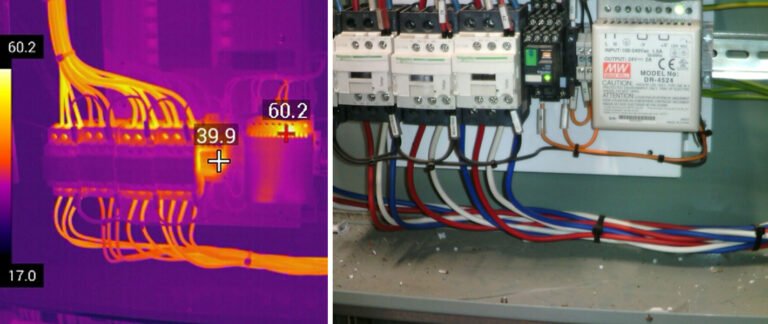
Most electrical faults stem from loose terminations, corroded connections, or unbalanced electrical loads—issues that often go unnoticed until it’s too late. Thermal imaging inspections allow for early detection of these anomalies, enabling you to address problems proactively. By collaborating with you to establish a programmed maintenance schedule, we can effectively mitigate risks and minimize downtime, ensuring a safer workplace and extending the life of your valuable equipment.
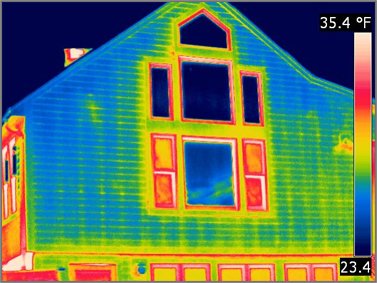
- Structural Integrity: Assess the condition of building envelopes and structural components to detect moisture intrusion and insulation deficiencies.
- Electrical System Reliability: Identify overheating electrical components and faulty connections to prevent electrical failures and ensure tenant safety.
- Energy Efficiency: Optimize building energy efficiency by detecting energy leaks and HVAC inefficiencies, reducing operational costs and environmental impact.
- Insurance Compliance Documentation: Provide detailed thermal reports to insurers as evidence of compliance with building safety standards and insurance requirements.
- Risk Management: Proactively manage risks associated with building maintenance and safety by conducting regular thermal inspections.
- Tenant Satisfaction: Ensure tenant comfort and satisfaction by maintaining a safe and energy-efficient building environment through proactive thermal monitoring.